


Bangladesh Supreme Court restores nonpartisan caretaker system but not for next elections
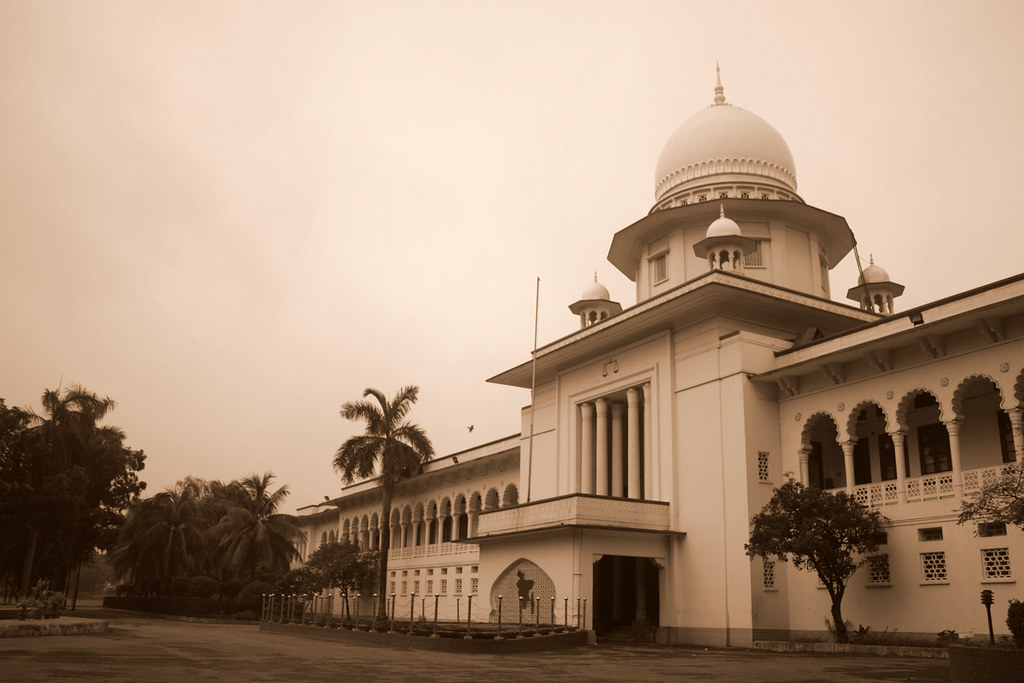


Bangladesh’s Supreme Court on Thursday restored a nonpartisan caretaker government system for national elections but said it won’t apply to the polls being held early next year.
The caretaker system was introduced in 1996 and widely accepted by Bangladesh’s people and by international observers as a step toward election fairness in the a parliamentary democracy of 170 million people. In two subsequent elections, two retired chief justices formed nonpartisan governments that held the elections within 90 days and transferred power to the winners. The election in 2008 was held under a former central bank governor.
But political disputes led to the system being scrapped at the court’s suggestion in 2011 under then- Prime Minister Sheikh Hasina, whose opponents said she aimed to manipulate future elections. Her administration oversaw national elections in 2014, 2018 and 2024 that kept Hasina in power and were not considered credible. The Bangladesh Nationalist Party headed by former Prime Minister Khaleda Zia, Hasina’s main rival, boycotted elections in 2014 and 2024, demanding the restoration of the caretaker government system, but Hasina rejected it.
On Thursday, the seven-member court ruled unanimously on two appeals and four petitions for review of its 2011 verdict.
The court said the system would be restored for the 14th national election since Bangladesh won independence from Pakistan in 1971. But it will not apply to the 13th post-independence vote, which will be overseen by the interim government headed by Nobel Peace Prize laureate Muhammad Yunus.
Attorney General Mohammed Asaduzzaman expressed satisfaction after the announcement.
“The caretaker government system has been declared supportive of Bangladesh’s democracy, and this may be elaborated in the full judgment of the court,” he told reporters after Thursday’s decision. “We believe Bangladesh has now begun its journey on a truly democratic highway.”
Zia’s party welcomed the decision on Thursday.
“The verdict of restoring the caretaker government system will mark the beginning of a new horizon,” said Amir Khasru Mahmud Chowdhury, a key figure in Zia’s party.
Yunus became the nation’s interim leader three days after Hasina was ousted on Aug. 5, 2024 in a mass uprising that ended her 15-year rule. She remains in exile in India and was sentenced to death Monday after being convicted of crimes against humanity.
Analysts say Bangladesh could need to navigate a difficult situation ahead of the elections as the country is at a crossroads under the Yunus-led government.
Trending
-
Government begins verification of landless people using digital system
-
Minister Sobita Gautam clarifies government ordinance
-
‘Scrapping student unions is an effort to secure the future’: PM Balendra Shah
-
Supreme Court seeks clarification from govt over eviction of settlements
-
India Rejects Nepal’s Claim on Lipulekh Issue


Related Content

Jeffrey Epstein’s alleged “suicide note” has been made public by a U.S. court.
Convicted sex offender Jeffrey Epstein’s alleged “suicide note” has been made public by a U.S. court. Judge Kenneth M....

Trump claims war with Iran will end soon
U.S. President Donald Trump has said that the conflict with Iran will end soon. Speaking at an event on...
India Rejects Nepal’s Claim on Lipulekh Issue
India has expressed disagreement after Nepal publicly stated its position on the Lipulekh dispute. Indian Ministry of External Affairs...
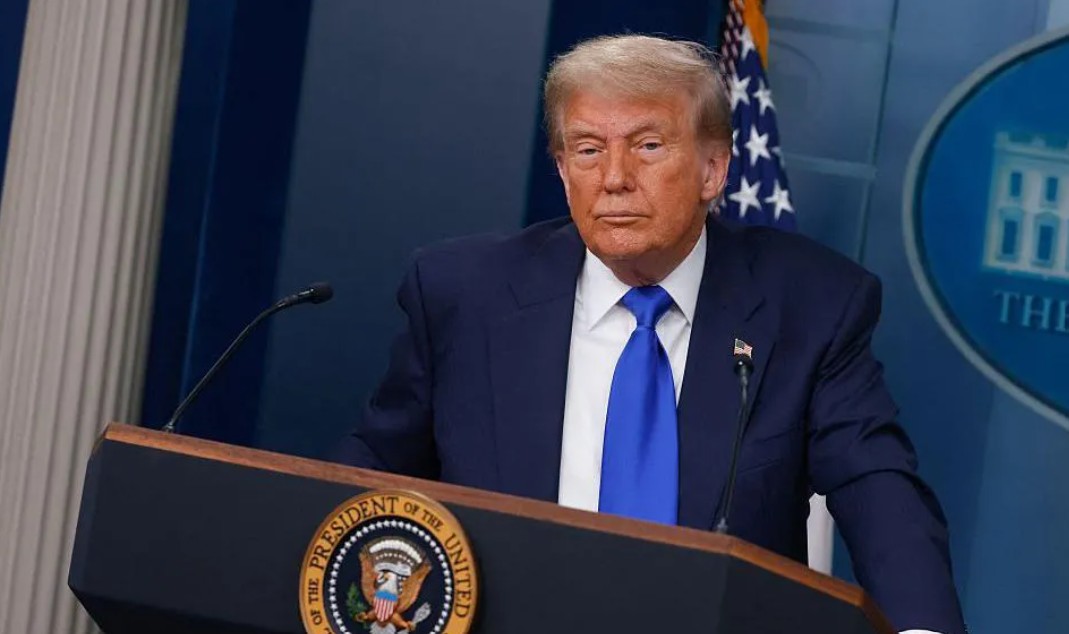
US Announces ‘Project Freedom’ to Secure Strait of Hormuz
U.S. President Donald Trump has announced a new maritime initiative called “Project Freedom” to ensure the safe passage of...